

Women Self-Help Groups trained in disaster preparedness at Collectorate Auditorium
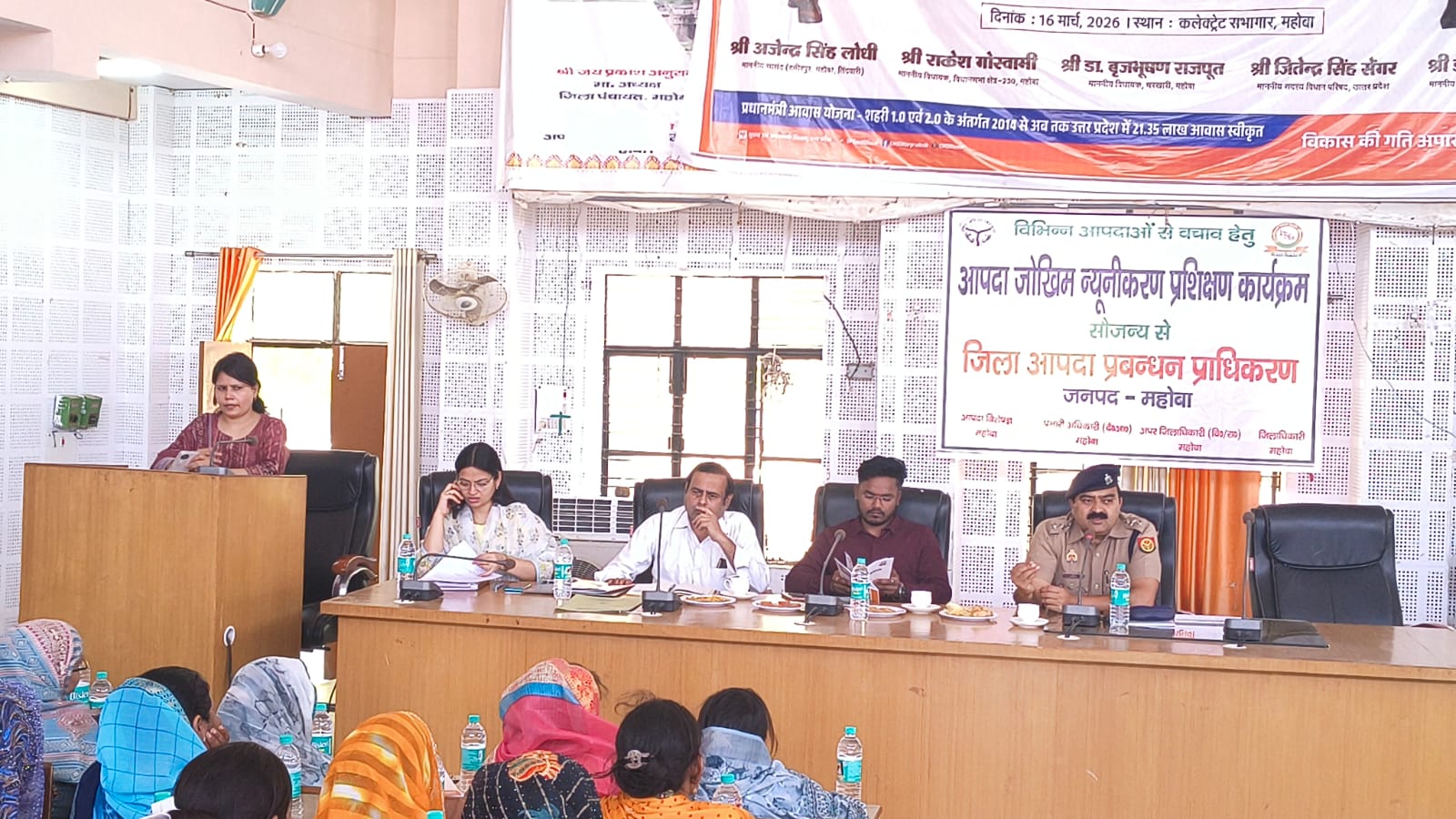
Mahoba: Under the directions of the District Magistrate, a one-day district-level training programme on Disaster Risk Reduction (DRR) was successfully conducted at the Collectorate Auditorium on Saturday. The programme saw active participation from women belonging to various Self-Help Groups (SHGs).
The session was chaired by Deputy Collector Saltanat Parveen. Addressing the participants, disaster management expert Preeti Singh stated that disasters are often unpredictable, but timely awareness and proper training can significantly reduce the loss of life and property. She stressed the adoption of scientific and preventive measures to mitigate the impact of both natural and man-made disasters.
During the programme, experts from different departments provided detailed insights into disaster preparedness. Participants were informed about the types of disasters commonly occurring in the district, vulnerability assessment, and government standards related to relief and response operations. The crucial role of women Self-Help Groups in disaster risk management was highlighted, emphasizing their potential to act as effective “first responders” at the grassroots level.
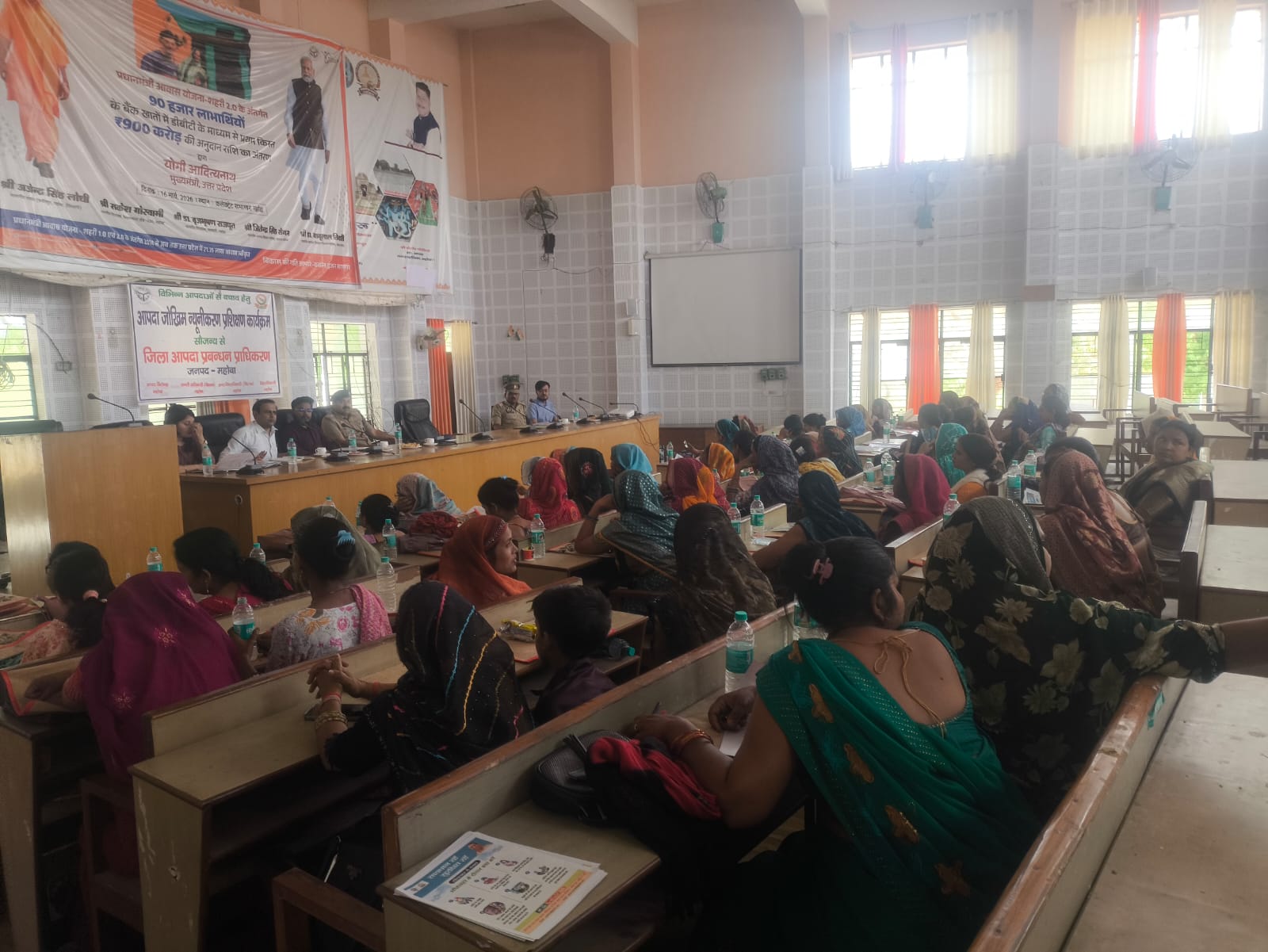
Chief Fire Officer Rehan Ali shared practical knowledge on handling fire emergencies and demonstrated immediate response techniques. Medical Officer Dr. Sushil Khare elaborated on Basic Life Support (BLS) and first aid procedures, highlighting the importance of timely intervention in saving lives before reaching a hospital. He also explained preventive and response measures for common incidents such as snake bites and drowning. Additionally, Siyaram, Senior Assistant (Group A) from the Agriculture Department, provided guidance on safeguarding crops from disaster-related damage.
To make the training more impactful, Information, Education, and Communication (IEC) materials were distributed among participants. Short films and videos related to disaster management were also screened, enabling participants to better understand the “do’s and don’ts” during emergencies.
In the concluding session, feedback was collected from five participants, all of whom described the training as highly useful. The programme concluded with a vote of thanks and a collective commitment to adopt a policy of “Zero Tolerance” towards disaster risks.